Carbon fiber strength comes from design and process control. It is not a single value. Fiber alignment, stacking sequence, consolidation quality, and how the part is supported and loaded all drive the final result.
So, how strong is carbon fiber? In engineered parts, the answer depends on fiber grade, laminate design, loading direction, and manufacturing quality. Carbon fiber can deliver very high tensile strength along the fiber direction, but the finished part only reaches that potential when the laminate is designed and produced around the real load case.
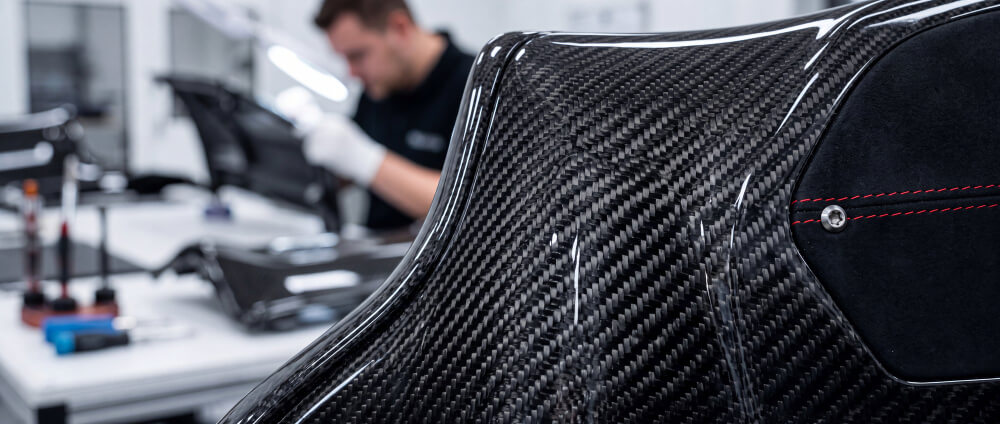
At AMC Composites, the difference shows up in structural parts that must hold geometry and survive real duty cycles. Carbon fiber wheels, brackets, housings, and custom parts perform when load paths are defined early, and manufacturing repeats that intent at volume.
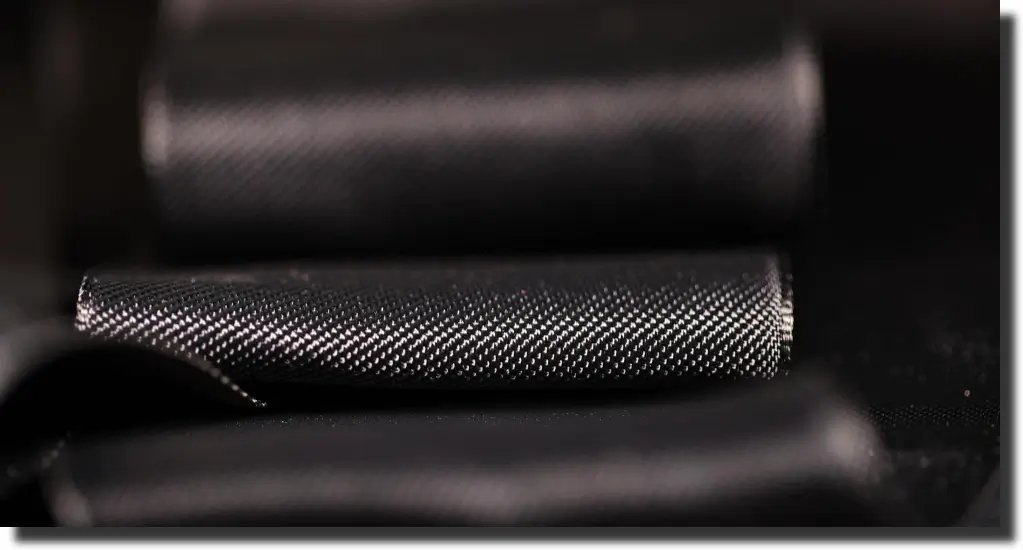
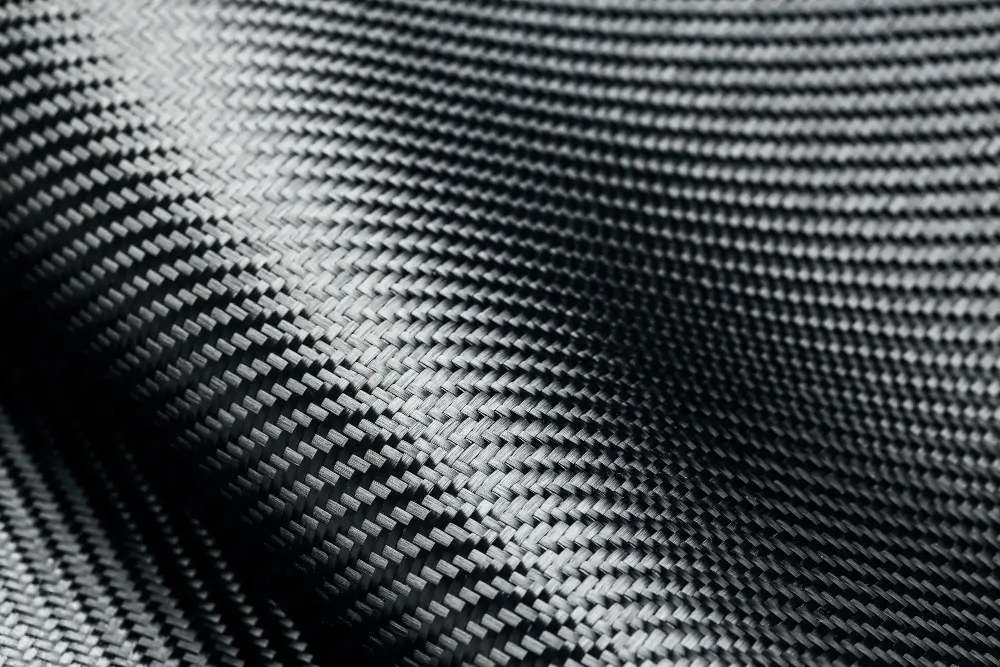
Carbon fiber composites deliver strength when fibers align with the main stress. The matrix supports fibers, transfers shear, and protects against interface damage.
Laminate architecture sets real strength. A stack built for the actual load case outperforms one with arbitrary fiber orientation or uncontrolled resin. Material selection matters, but load path and build strategy decide if the part meets its targets.
Composite strength cannot be predicted from constituent properties alone. Most models assume ideal interface bonding, exact fiber alignment, straight fibers, and negligible voids. In practice, theory sets an upper bound and helps check test results against what a controlled process can deliver.
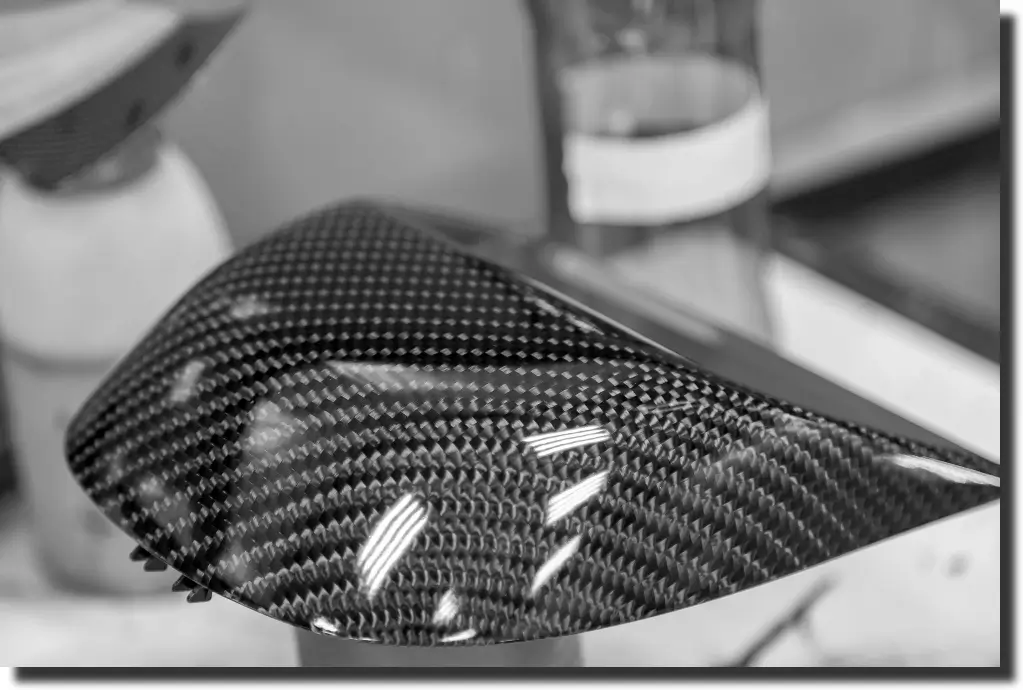
Carbon fiber excels in tension because fibers carry load along their axis. Carbon fiber tensile strength sets the benchmark for lightweight structural parts when load paths are direct.
Compression is more sensitive to defects, fiber instability, and laminate architecture. Process defects, resin-rich zones, and misalignment reduce it further. Research in ‘Composite Structures Journal’ explains why compression is often more sensitive to defects, fiber instability, and laminate design.
To manage carbon fiber compressive strength, focus on defect control at every step. Check ply alignment during layup to avoid waviness. Control resin content to prevent resin-rich zones. Inspect for voids or porosity using NDT methods like ultrasonic scanning. Keep work areas clean, maintain consistent bag pressure, and trim carefully. Integrate these checks into the build to reduce strength losses from defects.
Treat tension and compression as separate problems. Build test plans and acceptance criteria around real failure modes, not a single nominal value.
In real assemblies, strength depends on geometry, interfaces, and how the laminate carries load through cutouts, fasteners, and transitions. For engineered carbon fiber parts, the practical checks are simple:
Stiffness targets matter in strength-driven programs. Deflection control and stability often decide if a part stays inside its design window. This is the same logic covered in our ‘Carbon Fiber Modulus of Elasticity’ guide.
Strength depends on composite construction, not surface appearance. Structural laminates behave differently from cosmetic finishes. Distinguish real carbon fiber from look-alike finishes early to avoid mismatched expectations for load, edge durability, and mounting zones.
For engineered parts, design around the load path and validate interfaces. Manufacture to repeat that intent. Custom carbon fiber parts deliver value when layup, reinforcement, trimming, drilling, and inspection are aligned. The part delivers strength where the assembly needs it, not just where the laminate looks good on paper.
Strength in a finished carbon fiber part is usually decided by details that do not show up in a flat coupon test.
Interfaces drive outcomes. Holes, inserts, and clamp-up zones concentrate stress and can cause bearing damage or delamination if not reinforced. Edges and cutouts matter for the same reason. A clean laminate can still fail early if trimming, drilling, and edge finishing are treated as cosmetic, not functional, steps.
Service conditions change the picture. Impact, vibration, and fatigue expose weak links faster than static tests. Parts that must survive cycles or overloads need design margins backed by repeatable consolidation and inspection.
Composite parts fail in predictable places: fiber waviness, voids, and weak interfaces. That’s why we tie DFM, consolidation, and inspection to the same build plan.
Technology helps only when it supports repeatability: cleaner layup, controlled consolidation, precise machining, and inspection where failure risk is highest.
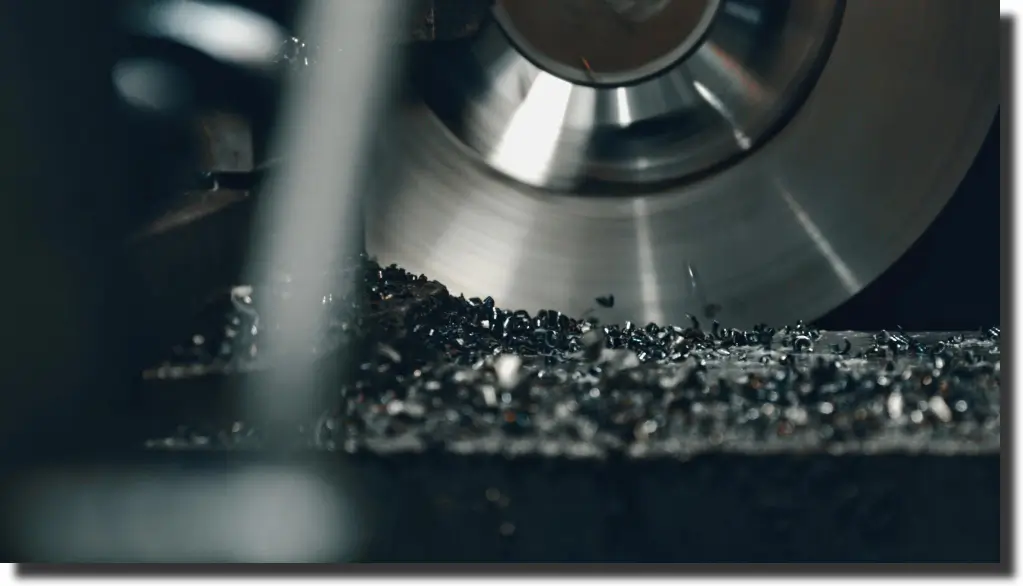
The process route decides how well the laminate you design matches what you ship. Prepreg layup supports precise fiber orientation and controlled resin content. This helps when the design depends on directional performance and repeatability.
Infusion and wet layup can produce strong parts if resin content, flow, and consolidation are managed for the geometry. Variability shows up when the thickness, resin distribution, or edge finishing is inconsistent.
Compression molding works for complex geometry and higher volumes, especially when features must be filled. Strength depends on charge placement, flow, and cycle control. For any process, treat trimming, drilling, and assembly as structural steps. Interfaces and edges are where real parts fail first.
At AMC Composites, strength is a system requirement. We connect laminate intent, interfaces, and process controls early so the finished part repeats the expected performance, not just the appearance.
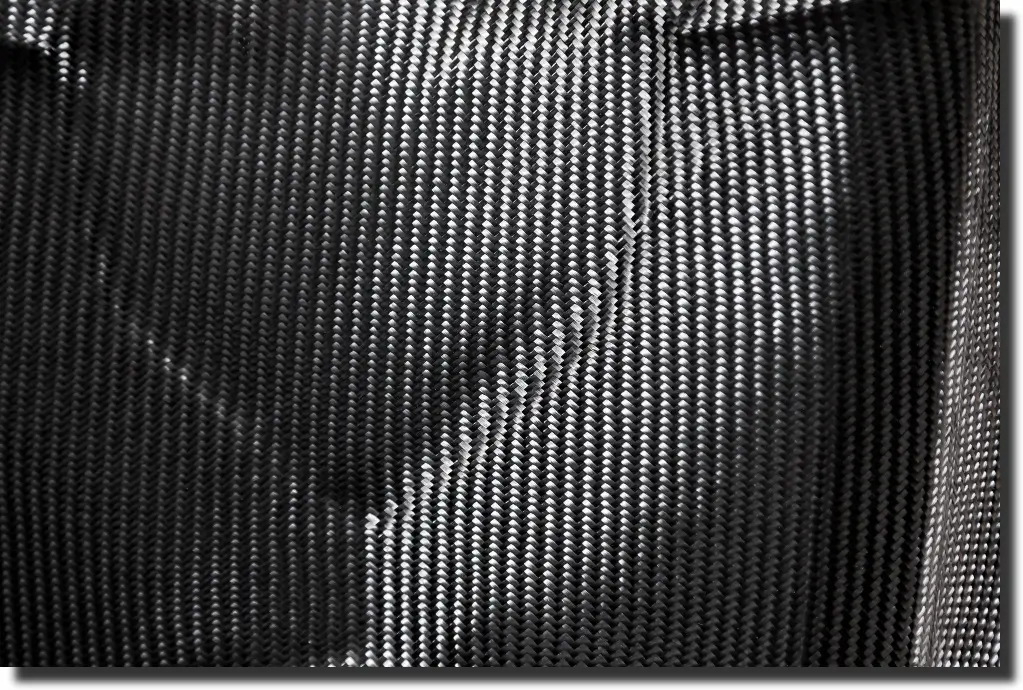
We prefer to be involved early, so geometry, material selection, and process route support the real load case. DFM focuses on part complexity, assembly, material, and process optimization. This is where we prevent strength losses from sharp transitions, under-supported interfaces, or steps that cannot repeat at volume.
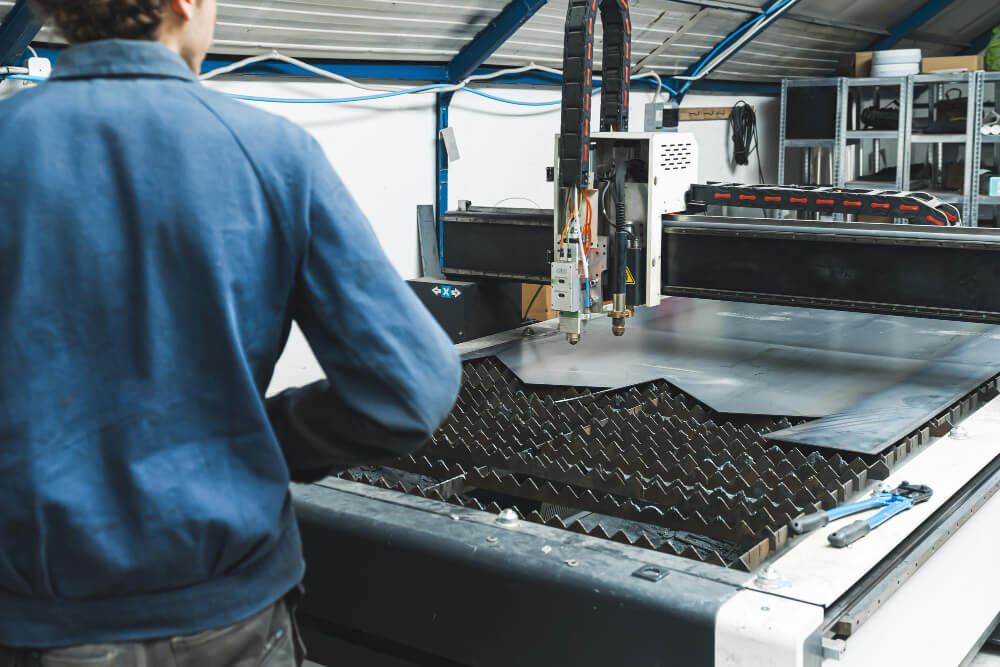
Our engineering team handles CAD modeling, structural analysis, and reverse engineering with 3D scanning and metrology. Prototyping lets us validate fit, form, and function on real geometry before production tooling. For strength-critical parts, this is where we confirm interface behavior at holes, inserts, and mounting zones under real boundary conditions.
We keep critical steps under one roof to lock in repeatability:
This end-to-end workflow controls strength across production runs.
Use this checklist to keep design intent aligned with manufacturing:
Carbon fiber strength comes from alignment, architecture, and process control. Fibers carry the highest loads when they follow the main stress path, while the matrix supports fibers and transfers shear between layers. A laminate designed around the real load case will outperform one with arbitrary orientation, excess resin, or uncontrolled consolidation.
Contact AMC Composites to align design intent with production reality. We can review your print and propose a manufacturing and inspection plan built for repeatability.
.webp)