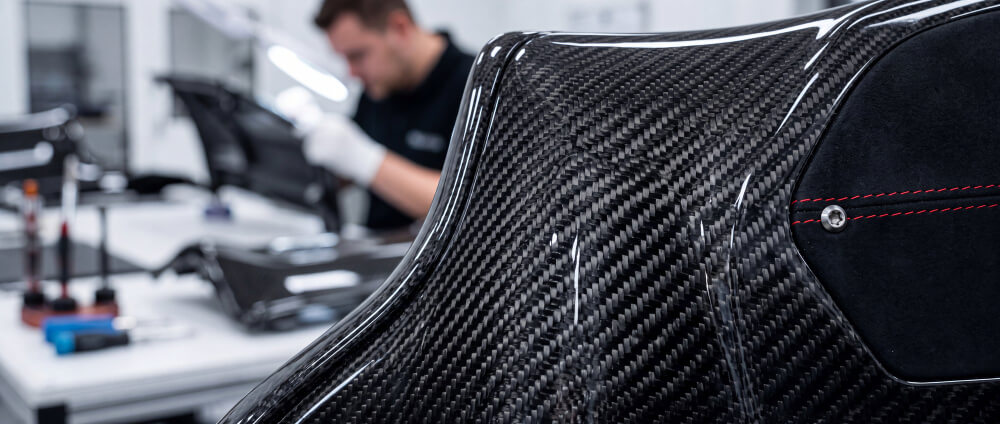
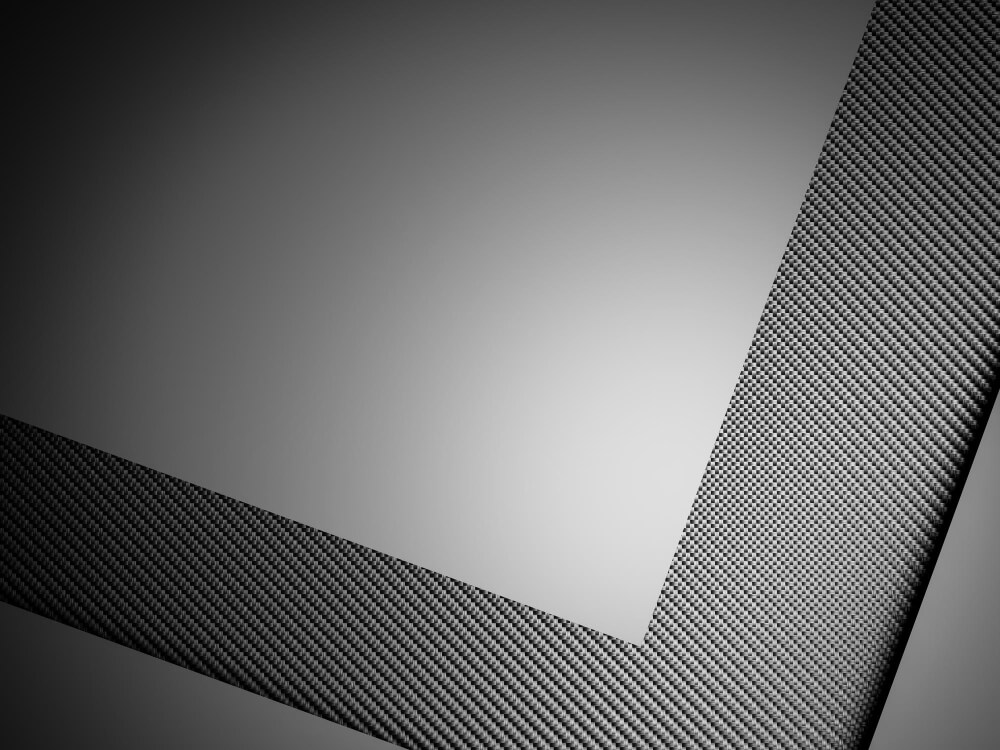
Carbon fiber is one of the most copied surface aesthetics in manufacturing. The pattern is easy to reproduce. The structural behavior is not.
At AMC Composites, the problem shows up when a part needs more than a visual finish. Carbon fiber wheels, brackets, housings, and custom carbon fiber parts live or die on stiffness, strength, and long-term durability. In those applications, the surface tells you very little about what the part will do in service.
The difference that matters comes down to construction and process control. A structural laminate is engineered reinforcement consolidated in resin. A look-alike is a coating, film, or thin overlay applied to another substrate.
Real vs fake carbon fiber is not a design argument about weave alignment or gloss. It is a verification question about whether the part is a structural composite or a cosmetic finish.
A structural carbon fiber composite delivers performance because:
A carbon-look material can be a valid choice when appearance is the only requirement. It becomes a problem when put under structural load. That mismatch typically shows up first at fasteners, sharp edges, cutouts, and high-vibration zones.
For example, a cosmetic carbon wrap used on a mounting bracket can crack around bolt holes under vibration and clamp up cycles, which can loosen the interface over time. That is why appearance should never be treated as proof of structural capability.
A structural carbon fiber part starts with reinforcement embedded in a resin matrix. Fibers do the primary load-carrying. The resin binds the fibers, transfers shear, and protects the reinforcement. Performance depends on fiber orientation, fiber content, consolidation quality, and cure control.
Real carbon fiber is defined by its construction and process discipline. The part must function as a composite system, not as a coated substrate with a carbon pattern.
Most structural components fall into a few repeatable construction types:
Construction methods may vary, but they must align with the part’s intended function and assembly interface.
A structural carbon fiber component usually shows evidence of engineering intent:
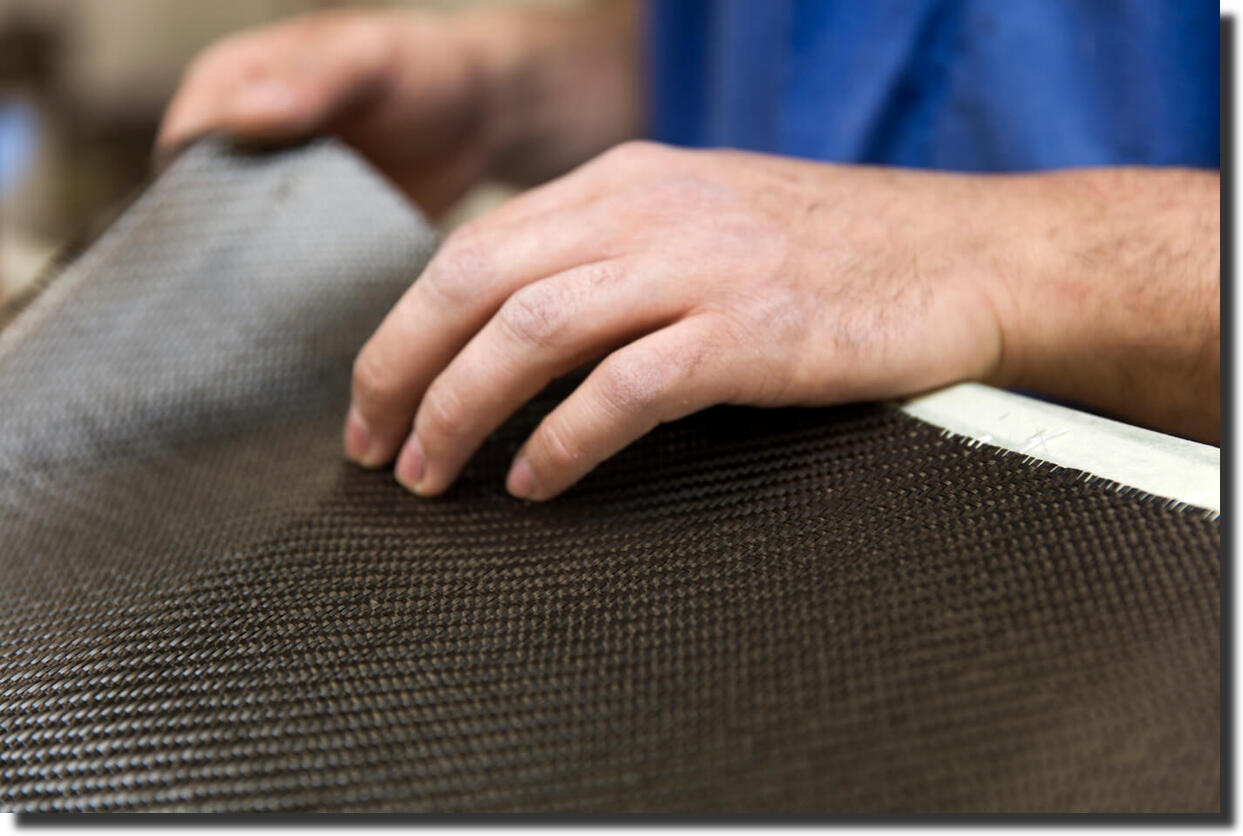
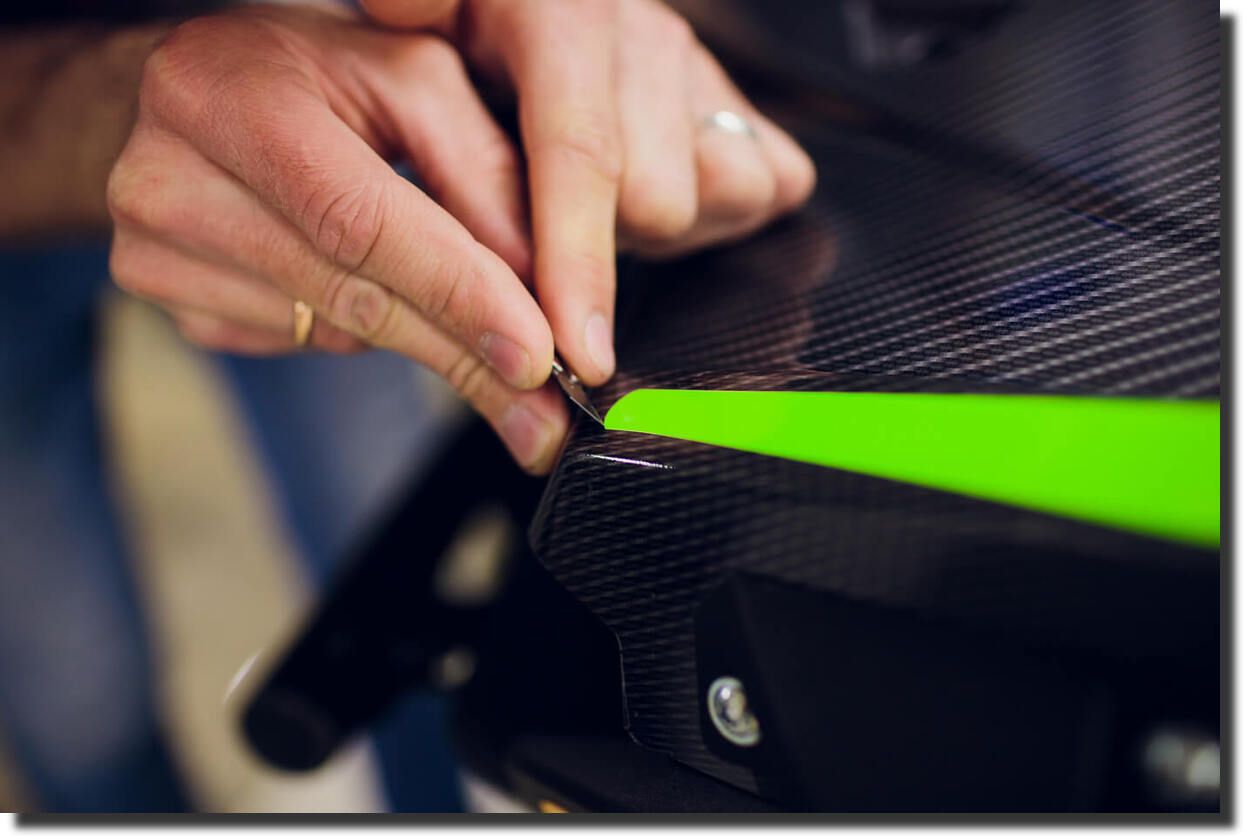
Film wraps and printed patterns replicate the carbon look but do not provide structural stiffness. They behave like coatings when exposed to abrasion, heat cycling, or edge damage.
Wraps are suitable for styling but should not be considered structural reinforcement.
Overlays and veneers can include a thin carbon layer bonded over another substrate. In that case, the substrate carries the load, and the carbon layer is primarily cosmetic. The part can still be well-made, but the carbon layer should not be assumed to deliver composite-level stiffness or interface durability.
Carbon patterns are easy to copy. Structural performance depends on reinforcement architecture, consolidation quality, and defect control. Two parts can look similar and still fail for different reasons at holes, edges, and mounting points.
That is why surface appearance is not a reliable acceptance criterion for any load-bearing application.
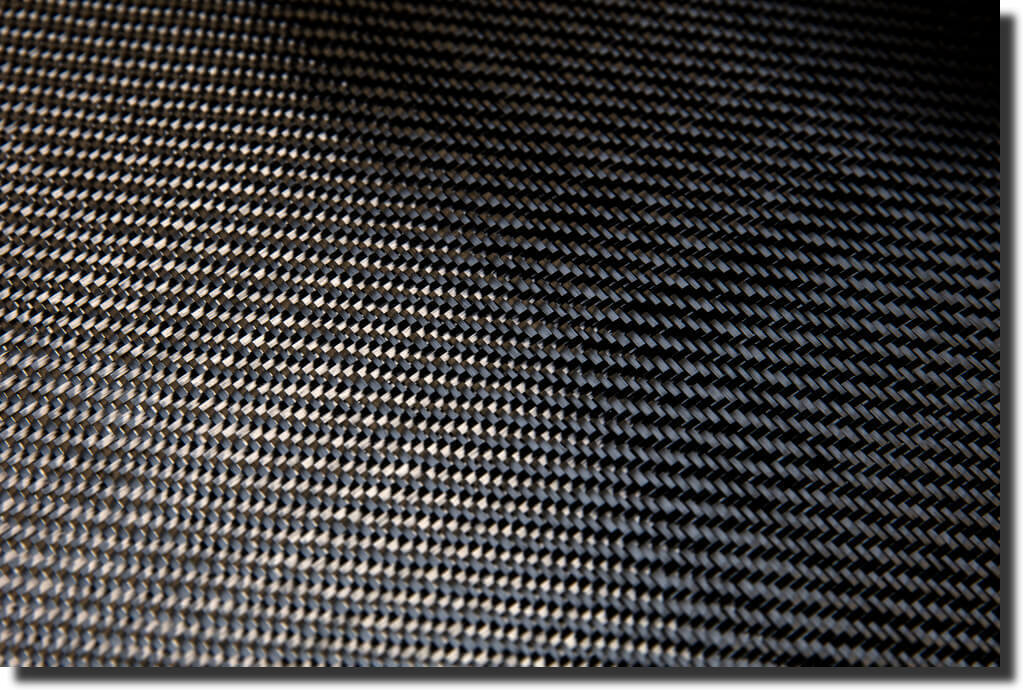
Edges and cutouts reveal construction quickly. Look for laminate depth and fiber structure through the section. A structural composite typically shows a layered cross-section. A wrap or print typically shows thin-film or coating behavior at the boundary.
Pay attention to holes. On functional parts, hole locations, edge quality, and local reinforcement strategy are usually intentional because those areas drive failure in service.
The backside often exposes the base material. Wraps and prints typically show film behavior or seams. Overlays often reveal a different substrate at edges, cutouts, or backside transitions.
If the backside clearly indicates a non-composite substrate, treat the carbon surface as cosmetic unless there is evidence that the underlying structure was engineered to carry load.
For components expected to carry load, focus on indicators that correlate with structural intent:
If those elements are missing, the part may still be acceptable as trim or a cover. It should not be assumed to perform as a structural laminate.
For safety-critical parts, high-cycle assemblies, or tight deflection limits, visual checks are not enough. Verification needs process evidence and inspection discipline. Non-destructive inspection methods are commonly used in polymer composites to detect voids, delamination, and impregnation issues without sacrificing the part, which is why quality plans matter as much as materials.
Comparison between carbon fiber and imitation materials reinforces the broader idea that appearance is not a substitute for construction and verification when performance is the requirement.
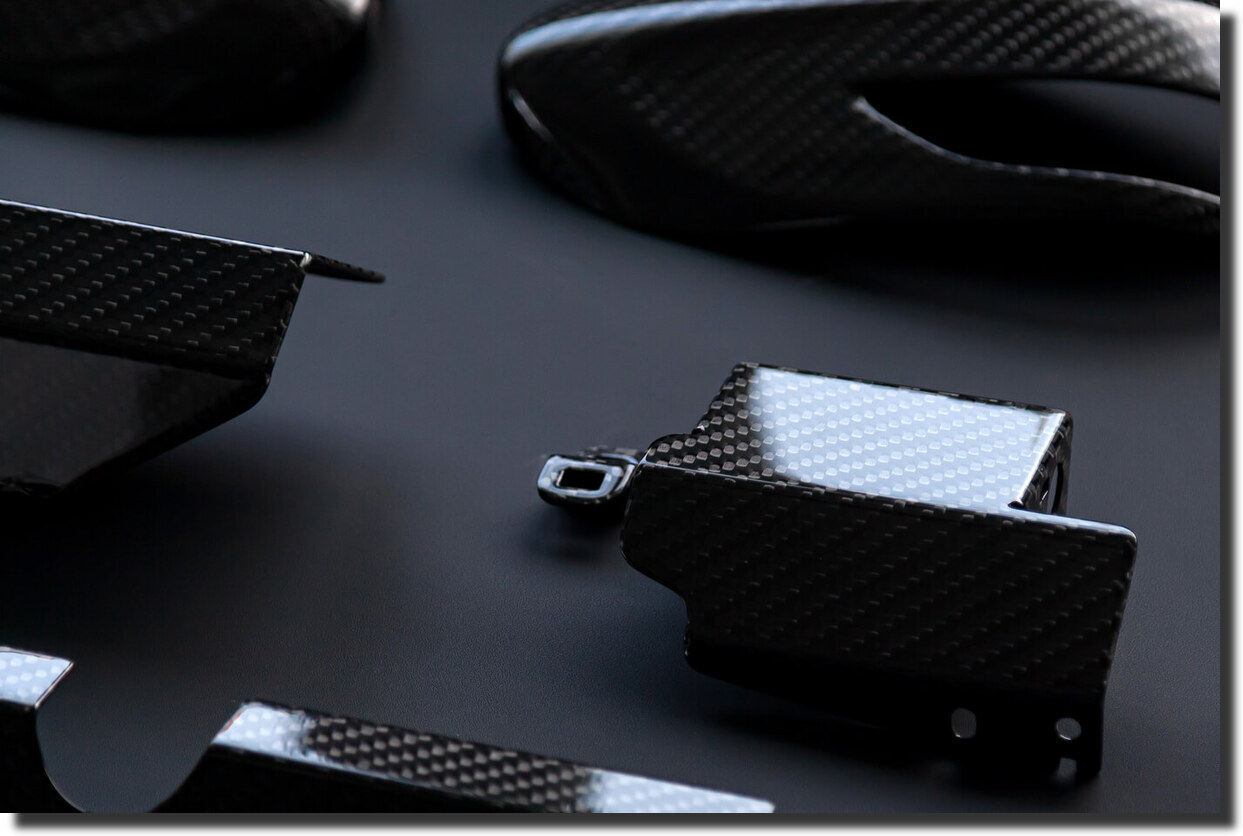
When the part is cosmetic, a simple visual confirmation can be enough. When the part carries a load, the request needs to shift from surface proof to construction and process proof. That is the real carbon fiber vs fake decision point for any program that cannot tolerate deflection, interface damage, or early fatigue.
Keep it simple and direct:
For brackets, housings, mounts, or carbon fiber wheels, request information that connects design intent to manufacturing control:
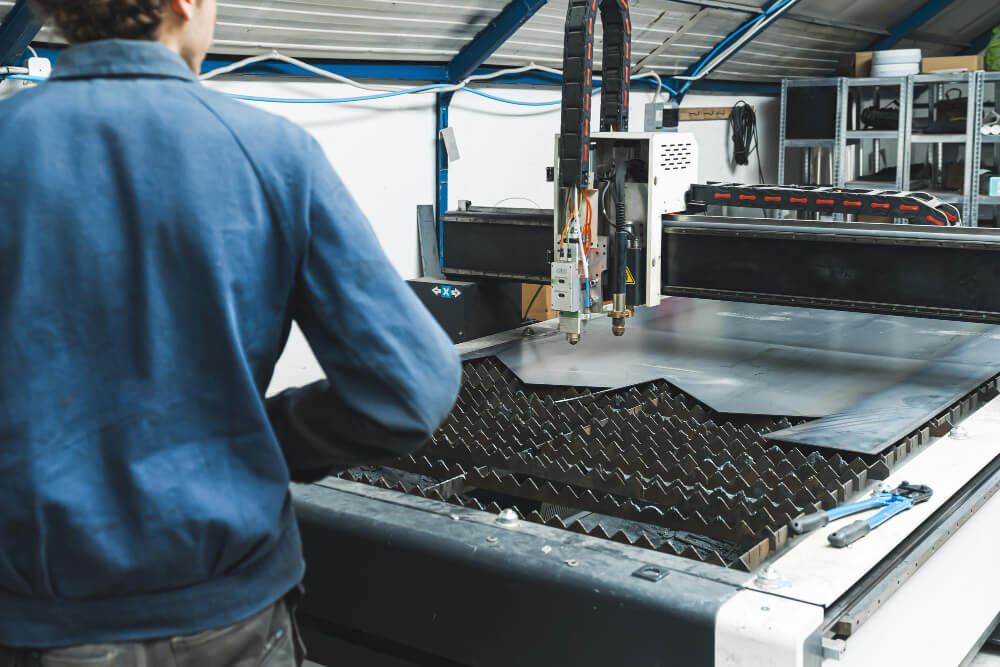
Carbon fiber performance comes from decisions made before the first tool is cut. Our workflow keeps design, engineering, manufacturing, and inspection aligned so the finished part behaves as specified in the original requirement.
We prefer early involvement so geometry, construction, and process flow support the target performance at the intended volume. DFM focuses on part complexity, ease of assembly, material selection, and process optimization.
We support CAD modeling, structural analysis, and reverse engineering using 3D scanning and metrology. That reduces iterations and helps confirm that the part is designed around real interfaces and boundary conditions.
Repeatable carbon fiber parts depend on controlled steps through the full chain:
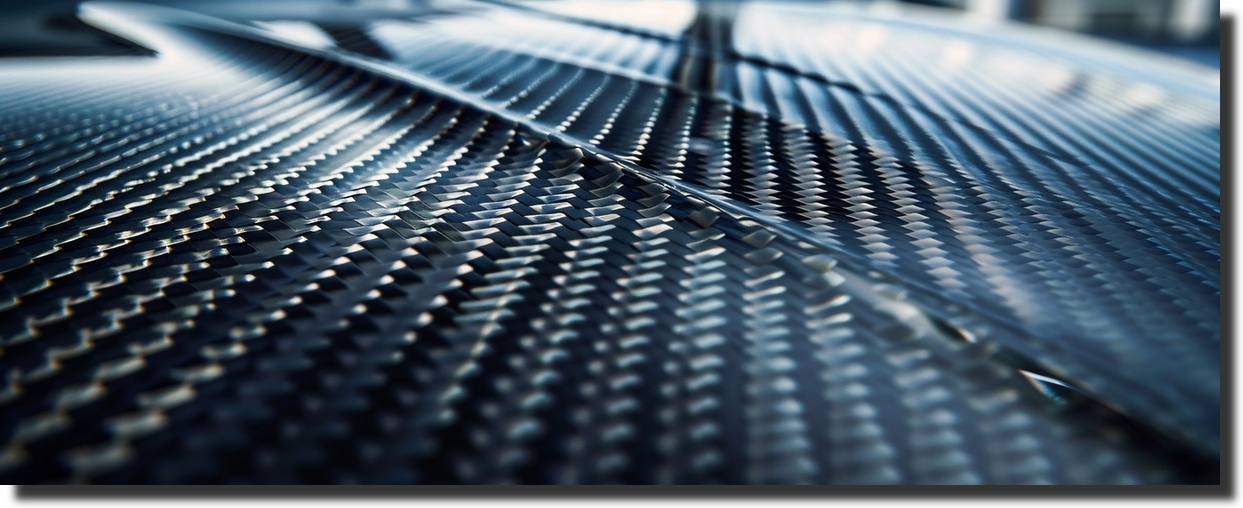
Use this list to keep authenticity, performance, and manufacturability aligned:
Carbon fiber appearance is easy to copy. Structural composite performance requires reinforcement, controlled consolidation, and inspection discipline. That is the difference that matters for any part expected to carry a load, hold geometry, and survive real service conditions.
Reach out to AMC Composites if you need a carbon fiber part that must perform. We can review your print, confirm the duty case, and propose a manufacturable path with an inspection plan that supports repeatable performance.
.webp)