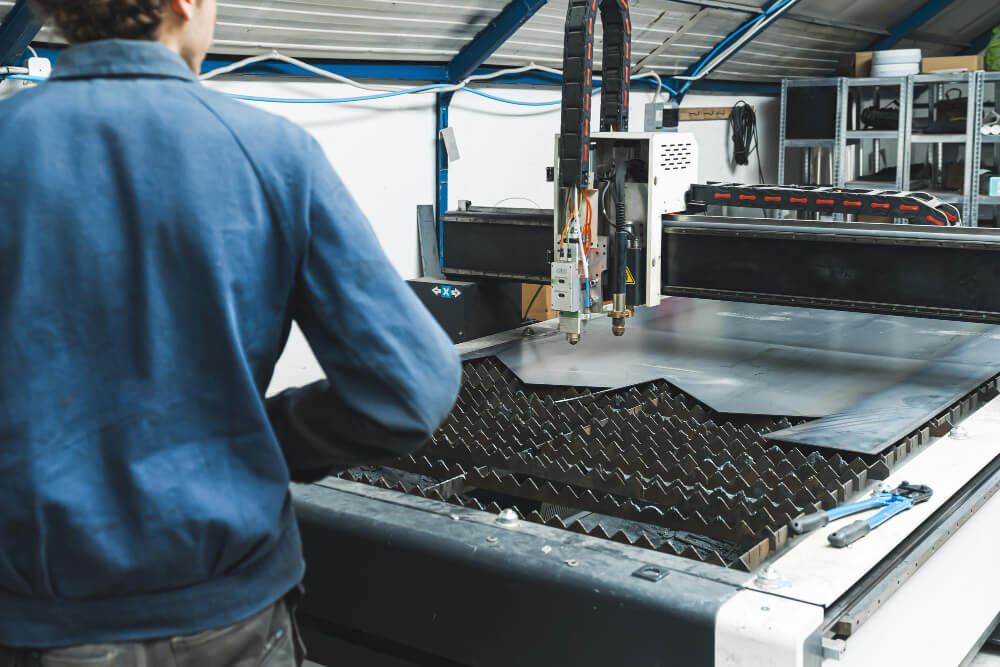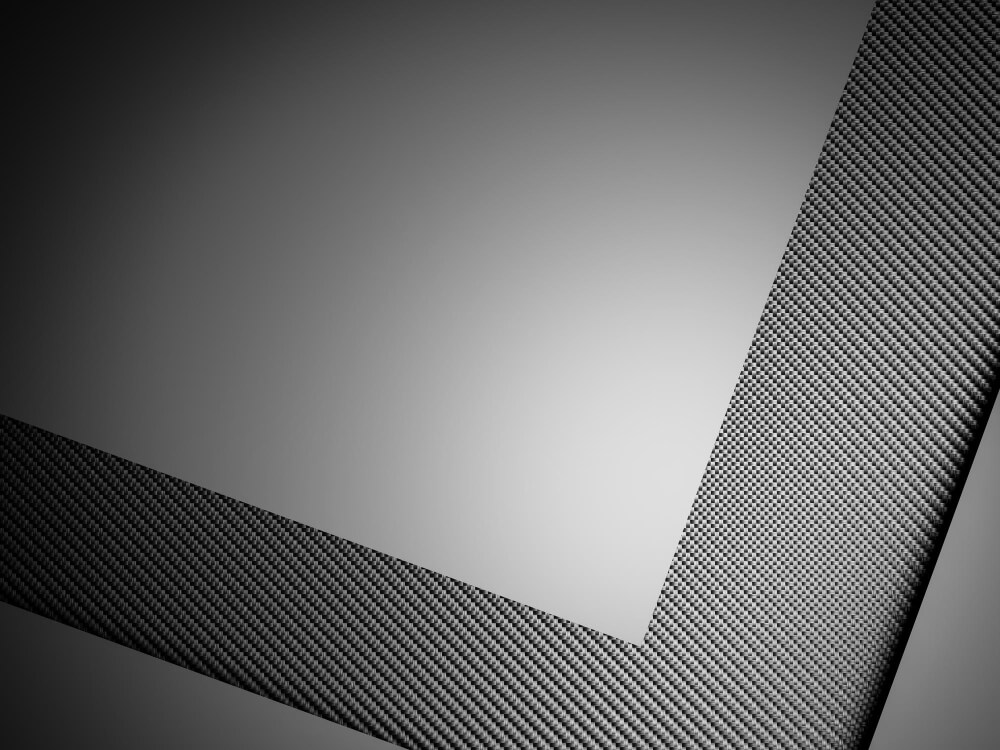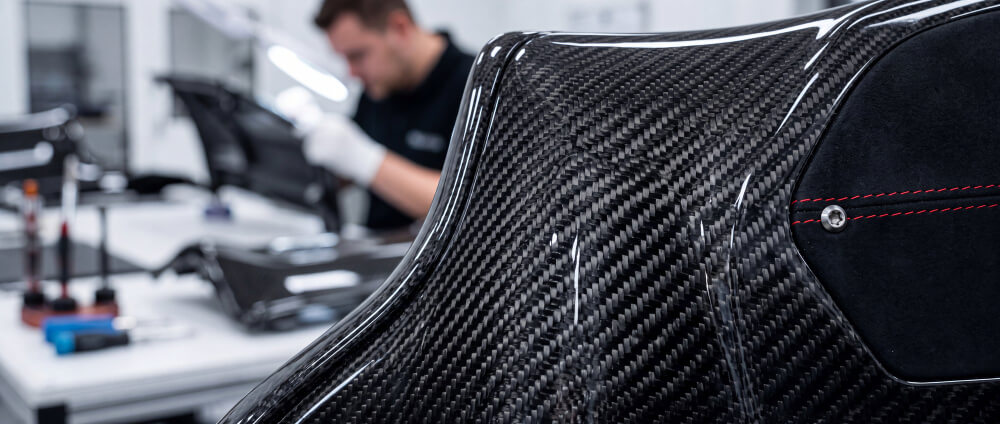
A molded carbon fiber component is not automatically finished when it leaves the tool. The surface may still need cleaning, sanding, protection, color, polishing, or permanent identification before the part is ready for final assembly and service.
The right carbon fiber finish is directly influenced by the component’s functional requirements. A prototype may stay raw, while visible carbon fiber wheels, housings, panels, and other custom carbon fiber parts may require controlled appearance and additional surface protection.
At AMC Composites, our Composite Finishing capabilities include surface preparation, clear coating, painting, polishing, and labeling or engraving. The finish is selected around the component, its appearance requirements, and the environment it will see in service.
A coating can refine and protect a surface, but it cannot replace control earlier in the manufacturing process. Tool condition, molding quality, cure, trimming, and surface preparation establish the foundation for the final finish.
The mold matters first. A poor tool surface can transfer irregularities into the molded component, while controlled carbon fiber tooling helps establish a more consistent starting surface before trimming and finishing begin.
The laminate itself also changes the finishing strategy. Woven surfaces, unidirectional material, and chopped compression-molded carbon do not present the same visual pattern or surface condition. The choice among different types of carbon fiber therefore affects more than structural behavior when the reinforcement will remain visible.
Before finishing starts, edges, holes, and other machined features should already meet their dimensional requirements. Visible defects should also be identified rather than hidden beneath a cosmetic layer. Final Composite Inspection can then verify the required surface condition along with the dimensions and interfaces that matter to the finished component.
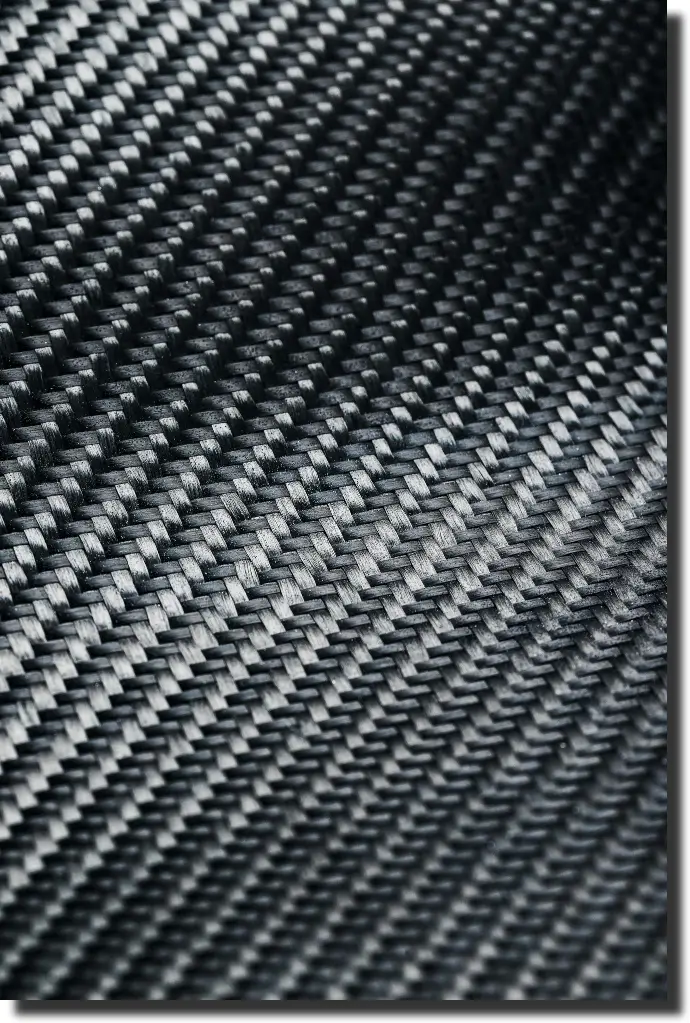
Not every carbon fiber part needs an added finish. AMC offers the option of no surface finishing, commonly referred to as raw carbon fiber, as well as multiple finishing operations that can be combined on one component.
A raw surface is common during prototyping, where teams may be validating geometry, fit, or function before committing to the final cosmetic specification. It can also suit applications where maximum lightweight performance takes priority over an additional surface finish.
Raw does not mean unfinished manufacturing work should be ignored. Trimming, dimensional requirements, interfaces, and required inspection still have to be completed before the component can move forward.
Finishing becomes more important when the carbon weave or chopped-fiber pattern will remain visible, when a customer requires a consistent matte, satin, or gloss appearance, or when the application calls for added environmental protection.
The material architecture also affects the result. Compression-molded components, for example, have the characteristic chopped-fiber appearance discussed in Forged Carbon Fiber Strength, while continuous woven laminates create a more regular visual pattern. The finish should work with the actual surface rather than force every carbon component into the same aesthetic.
Surface preparation starts with cleaning and inspection. Remove contaminants and identify visible imperfections before applying another layer.
AMC's Surface Preparation (Sanding) process uses wet sanding to smooth uneven areas and prepare the composite for subsequent finishing. When a surface coating is specified, the coated part can be wet sanded again to refine the result.
This step matters because coating carbon fiber depends on the condition of the substrate underneath. Surface contamination, roughness, and pretreatment can influence coating adhesion and durability.
A recent review in the Journal of Materials Research and Technology connects coating performance with surface pretreatment, application method, and intended use – useful context when defining a finishing process around the component's actual service environment.
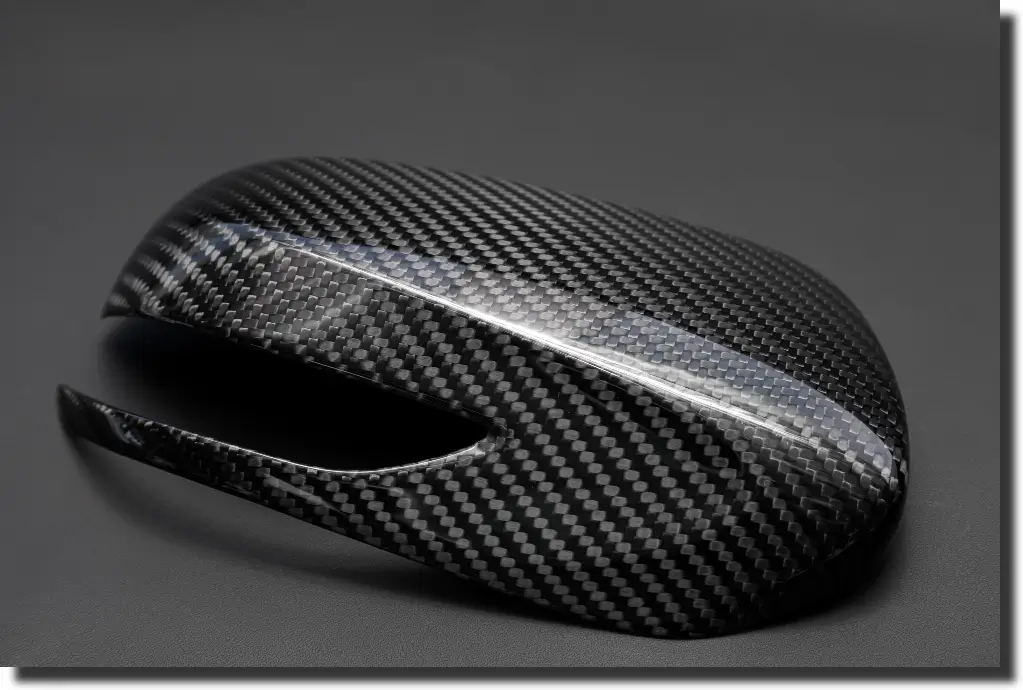
When the natural woven or chopped-carbon appearance needs to remain visible, Clear Coating provides a way to control the surface without covering the material pattern.
Clear coats are available in different colors and thicknesses depending on project requirements. In harsher environments, a protective clear layer may also provide UV resistance, helping reduce discoloration and support longer-term surface durability.
A carbon fiber coating still depends on the preparation underneath it. Surface preparation, coating, and final refinement work together to produce a controlled visible surface.
Carbon fiber does not always need to remain visually exposed. Some components require full-color coverage, accent areas, or branding that integrates with the surrounding product or assembly.
AMC's Painting capabilities include full-surface painting, accent colors, and branding applications. Matte, satin, and gloss options allow the surface specification to follow the project rather than forcing every composite component into the familiar glossy-carbon appearance.
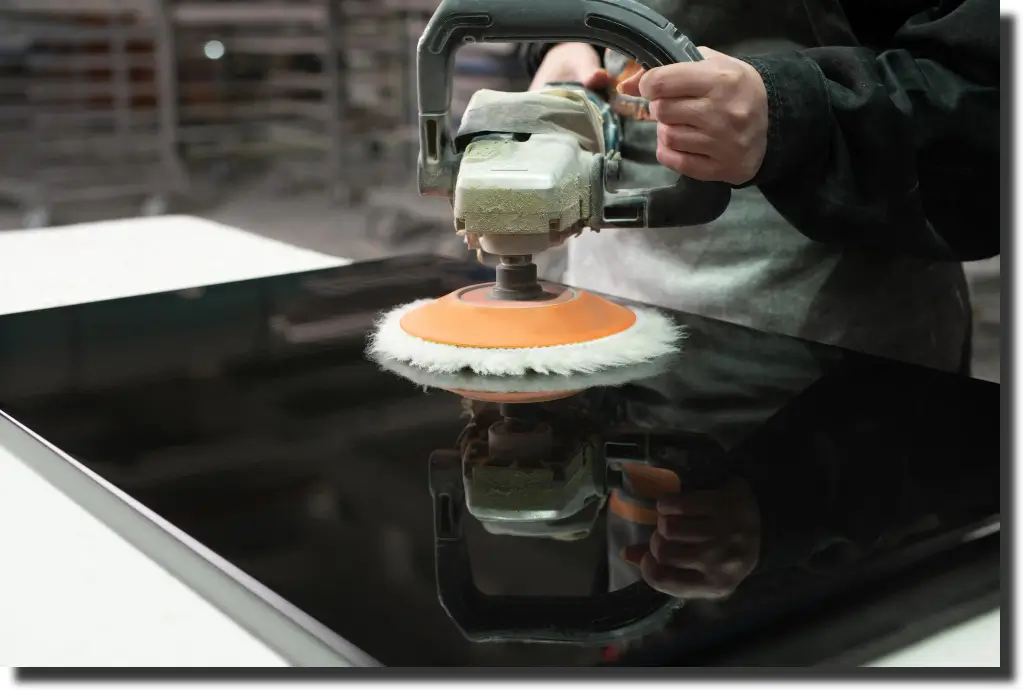
AMC's Polishing refines exposed carbon surfaces by removing minor imperfections and improving surface uniformity. It is a refinement step rather than a substitute for proper molding, sanding, or coating.
There is no single finishing route for every carbon fiber component. Surface requirements should follow the part's visibility, environment, production stage, and downstream use.
The finish can also vary across one component. A visible exterior area may require a polished clear surface while another region is painted, labeled, or kept free of coating for an interface or downstream operation.
Ceramic coating for carbon fiber can refer to surface systems developed for requirements beyond a conventional cosmetic clear coat. Research on CFRP coatings includes ceramic, polymeric, metallic, carbon-based, and hybrid systems for functions such as thermal protection, wear resistance, moisture protection, and UV resistance. However, these systems can require specialized pretreatment and deposition methods and should be selected around the substrate and service conditions.
Powder-applied coating systems are separate from the wet-applied clear coats and paints in the published finishing workflow. Powder coating carbon fiber should only be considered when a project-specific coating route has been confirmed.
For OEM applications, Labeling and Engraving can support lot tracking, supply-chain traceability, compliance, quality control, and branding.
Available methods include adhesive labels, printed tags, and directly applied markings for temporary, permanent, or tamper-resistant identification. This helps turn a visually finished component into a traceable production part.
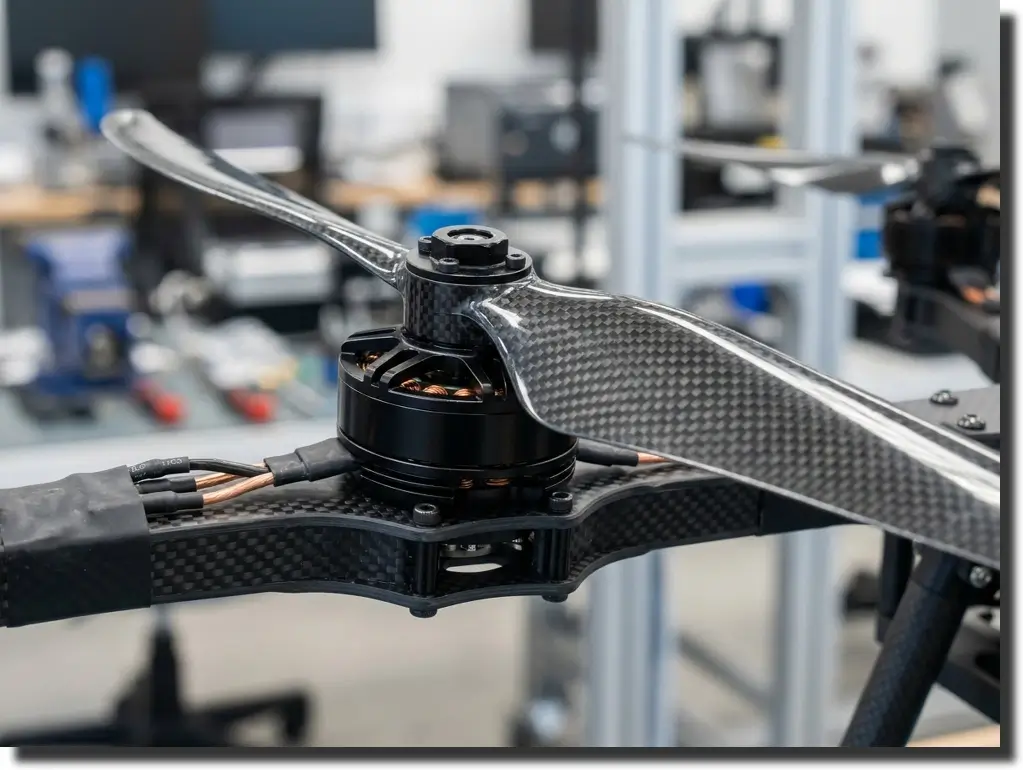
The same finish does not make sense for every carbon fiber component. Visibility, service environment, geometry, production stage, and customer requirements all influence how the surface should be completed.
Carbon fiber wheels combine a highly visible composite surface with demanding service conditions. The finish may need to preserve the exposed carbon appearance while providing the specified environmental protection.
Panels, housings, and structural covers may use exposed weave, full paint, or selected accent areas. Bonding surfaces, mounting interfaces, and other functional zones may also need to remain free of coating.
Compression-molded chopped carbon creates a different appearance from continuous woven laminates. Depending on the project, the surface may remain raw or receive clear coating, paint, or further refinement.
For structural carbon fiber parts, environment, weight, interfaces, and protection can matter more than cosmetic gloss. The finish should follow the actual duty case rather than a universal aesthetic specification.
Finishing is connected to the manufacturing steps that create the surface underneath it. Defining the finish early helps keep molding, trimming, preparation, assembly, and inspection aligned with the final component.
A typical workflow can include:
Use these questions before the finishing route is finalized:
A durable carbon fiber finish depends on the molded surface, preparation, coating strategy, and final inspection. Raw, clear-coated, painted, polished, and identified components each serve different production requirements.
AMC Composites integrates finishing with composite manufacturing, machining, inspection, and assembly. Contact us to review your component, service environment, appearance requirements, and production volume, and define a finishing route built around the finished carbon fiber part.
.webp)